



Jeff Flipper
Bitcoin’s early cycles

Bitcoin was introduced in early 2009.
Its promise was clear: a decentralized, peer-to-peer digital currency. It could facilitate direct, low-cost transactions worldwide.
For many early adopters, Bitcoin was a no-brainer. Why pay hefty fees to intermediaries like PayPal? You could send Bitcoin directly to anyone, anywhere.
The initial vision of Bitcoin was revolutionary. It aimed to offer fundamental value as a peer-to-peer digital currency (P2PDC). Its price was expected to be driven by its utility.
This vision was compelling and attracted a wave of enthusiasts.
They saw the potential in this new form of money.
The older we have become and the more cycles we have seen, each one become more ridiculous, volatile and manipulated. The market has become a playground for whales and institutional investors, who can manipulate prices with their massive holdings.
Retail investors often find themselves on the losing end of these manipulations, buying at the top and selling at the bottom. This volatility and manipulation make it difficult for Bitcoin to fulfill its original vision as a stable store of value and medium of exchange.
However, as Bitcoin gained traction, it also attracted a growing number of altcoins.
Each cycle brought more and more of these alternative cryptocurrencies. From Cryptokitties to NFTs & meme coins, the landscape became increasingly crowded and speculative. The promises grew more outlandish, and the number of bad faith actors increased.
The crypto space turned into a kind of casino.
How speculation overshadowed utility

Bitcoin's popularity grew. So did speculation around it. Today, few Bitcoin users employ it for peer-to-peer transactions. Instead, Bitcoin is a speculative asset. Its value is determined by its dollar price and it follows broader market trends.
This shift altered Bitcoin's narrative. The original vision of Bitcoin as hard money is fading. Speculation drives Bitcoin's value. The number of new entrants will push its price higher. This will continue until the number of those seeking liquidity exceeds new entrants.
This transformation was not the original plan. Bitcoin was conceived to offer fundamental value. It was meant to be a peer-to-peer digital currency: Its price would be driven by utility. It would settle at its marginal cost of production, but that vision has been corrupted.
A group of hidden players turned Bitcoin into a speculative asset.
They changed it from a utility-driven currency.
There is a conspiracy theory, which suggests this shift was not accidental. A shadowy group of elites orchestrated it. They saw Bitcoin's potential to disrupt the traditional financial system and decided to co-opt it for their own purposes.
The original vision of Bitcoin as a peer-to-peer digital currency was doomed. The elites, with their resources and influence, shaped the narrative. They turned Bitcoin into a speculative asset.
If you think the banksters, who own the world's fiat money will sit aside idle, you’re wrong.
Bitcoin returns is diminishing

The early days of Bitcoin were marked by exponential growth. The first cycle saw a 39x increase, the second a 16x increase, and the third a 3.5x increase.
However, the current cycle is showing diminishing returns. From its peak of $68,990 to its current price of around $110,000, Bitcoin has only seen a 1.6x increase. This trend of diminishing returns is evident when measured from peak to peak: 544x, 100x, 20x, and now 7x.
This trend speaks to the maturing of the market and the increasing competition from altcoins. As Bitcoin's growth slows, more investors are turning to riskier altcoins in search of higher returns. This shift is a natural evolution of the market, but it also highlights the changing dynamics of Bitcoin adoption.
Now raise questions about the future price of Bitcoin. Many in the crypto community assume that Bitcoin will reach $300,000 or even $500,000 this cycle.
The data suggests otherwise. The trend indicates that such price targets may be unrealistic. As the market evolves, it's essential to manage expectations and focus on the long-term potential of Bitcoin rather than short-term price targets.
As the market matures, it's crucial to consider alternative platforms for trading and swapping cryptocurrencies. Thorswap, for instance, offers a decentralized exchange with low fees and high liquidity, making it an excellent choice for those looking for native crypto swaps.
The diminishing returns of Bitcoin also highlight the importance of spreading your investments across different assets to manage risk. This approach can help you to benefit from the unique opportunities it offers.
Litecoin and BitcoinCash may have a chance here, and Thorswap helps you to swap BTC to LTC, BTC to ETH, BTC to ETH without KYC.
The Trump (bad) factor
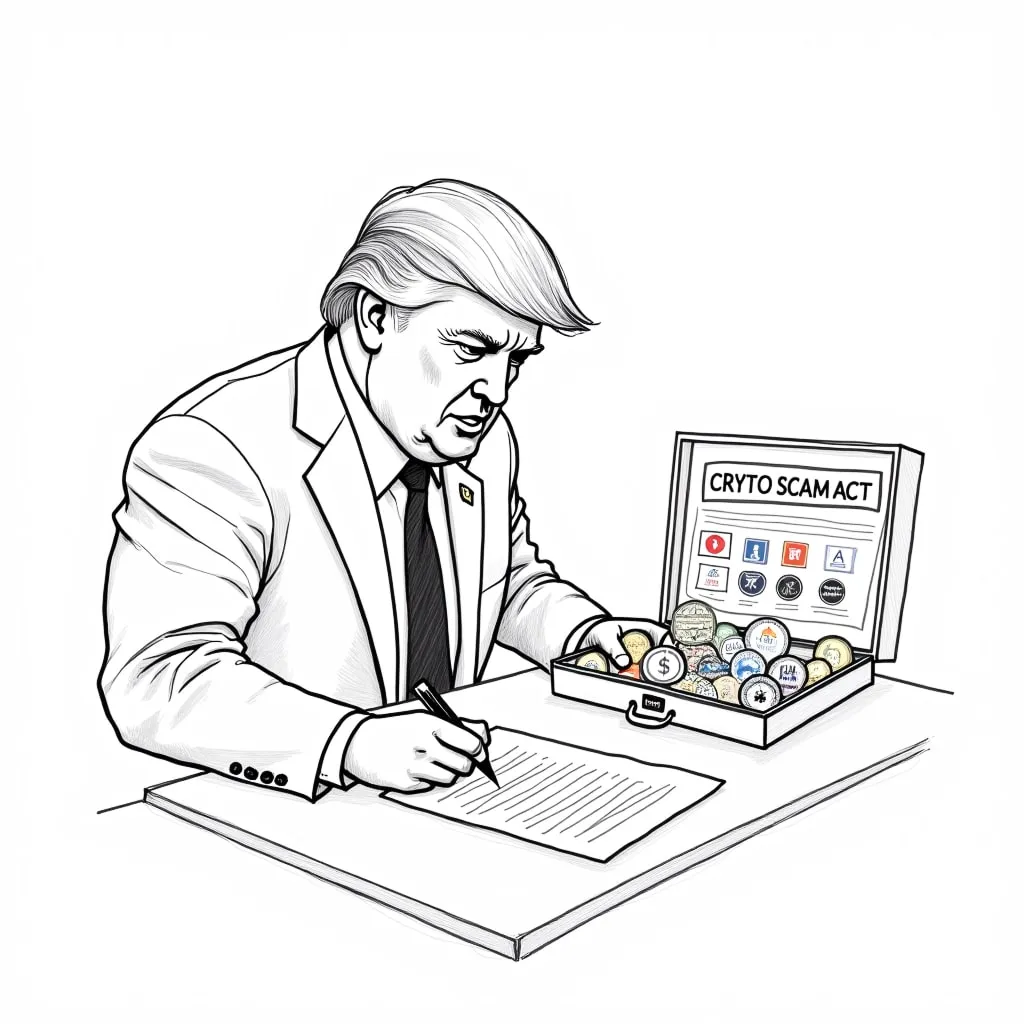
The political landscape can significantly impact the crypto market. No figure embodies this more than former President Donald Trump. His announcement about his own cryptocurrency sent shockwaves through the market. Some actions and rhetoric have introduced a huge systemic risk to crypto and Bitcoin.
Trump's pro-crypto stance is often seen as a positive for the market.
A closer look reveals a more complex picture.
Tariffs against Canada and Europe have disrupted traditional markets. These disruptions have subtly redirected interest toward crypto accumulation. However, this accumulation is not for the public but for Trump's inner circle.
Trump's true colors were revealed when he released his own coin. This showed that his interest in crypto is more about his own wallet, ego, and power. This revelation has raised red flags for many in the crypto community. They now see Trump as a potential threat to the market.
The market thought Trump was pro-crypto. He was just helping his friends get rich off it. He doesn't really care about crypto. He cares about his own wallet, ego, and power.
This is problematic. Even if Bitcoin is not controlled by Trump, the community made him the poster boy as "pro-crypto president". Now the rest of the world gets to see what that means.
The USA is getting dismantled. Many think he won't take crypto down with him. Why did the community applaud a pro-crypto president like him? This baffles many. Trump isn't pro-crypto. He's just helping his friends get rich off it.
Bitcoin is losing dollar value
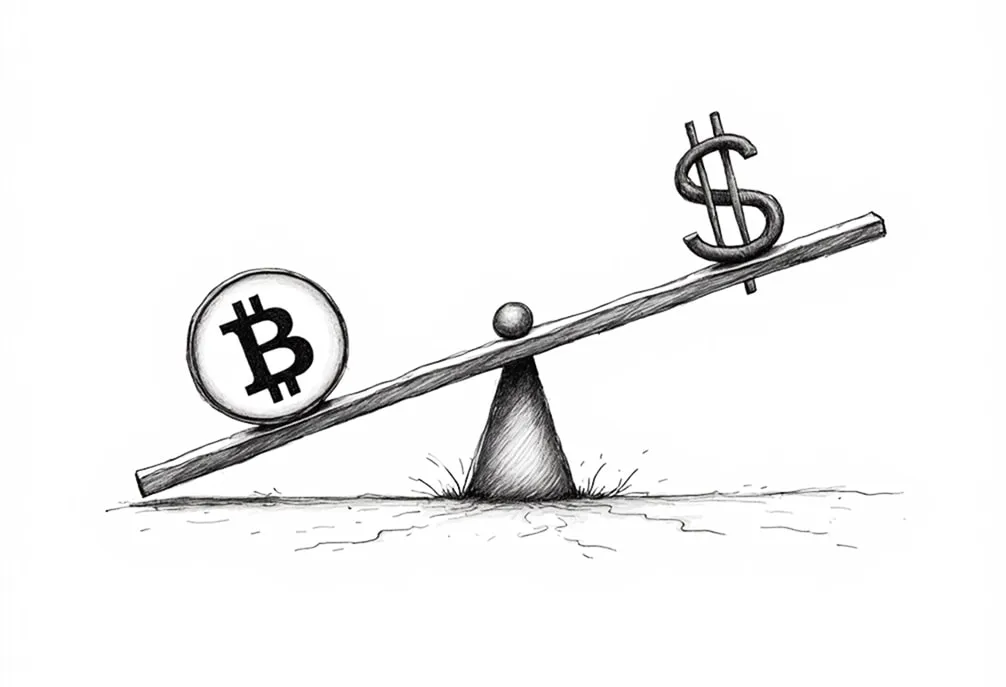
The value of Bitcoin is often measured in dollars, but this USA-centric view can be misleading. Bitcoin is losing ground fast in other currencies.
The dollar is losing strength against every other currency worldwide, which means that even if Bitcoin's dollar value seems steady, you are actually losing money daily.
This is a crucial point that the Bitcoin community often overlooks. The dream of Bitcoin becoming the new world currency is not as straightforward as it seems. When that happens, the value of goods and services in dollar terms will also increase.
A car that costs $50,000 today might cost $500,000 in Bitcoin terms in the future.
The global perspective is essential when discussing Bitcoin's value. The dollar's weakening strength should have Bitcoin going up to compensate, but it doesn't. This is a puzzle that the Bitcoin community needs to solve.
The future of Bitcoin lies in its global adoption as P2P digital cash, not just its dollar value.
Platforms like Thorswap offer a decentralized alternative to centralized exchanges, providing users with more control over their assets and allowing to swap native assets without KYC. So, we strongly recommend you to move your funds from CEX to DEX and take control of your wealth.